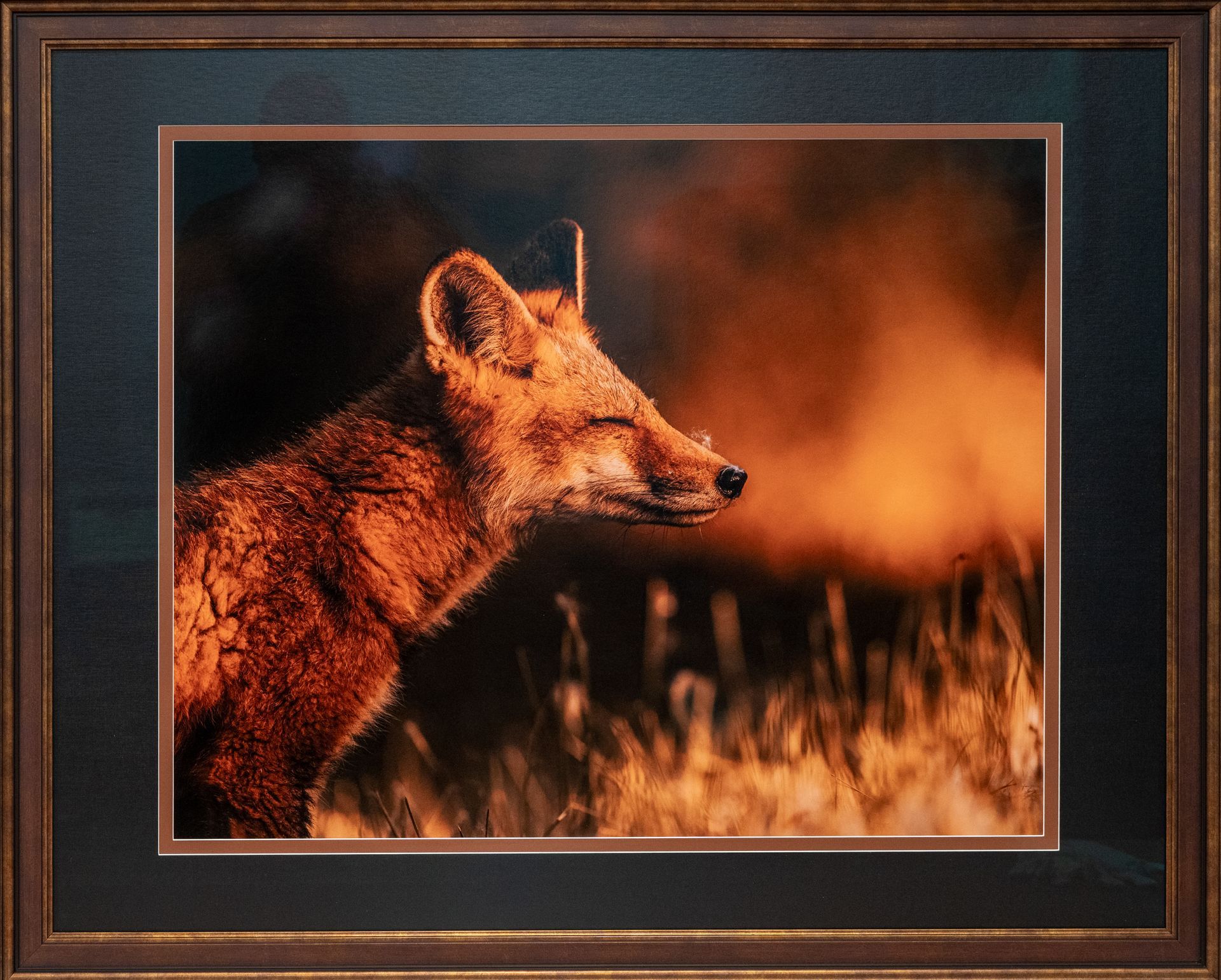
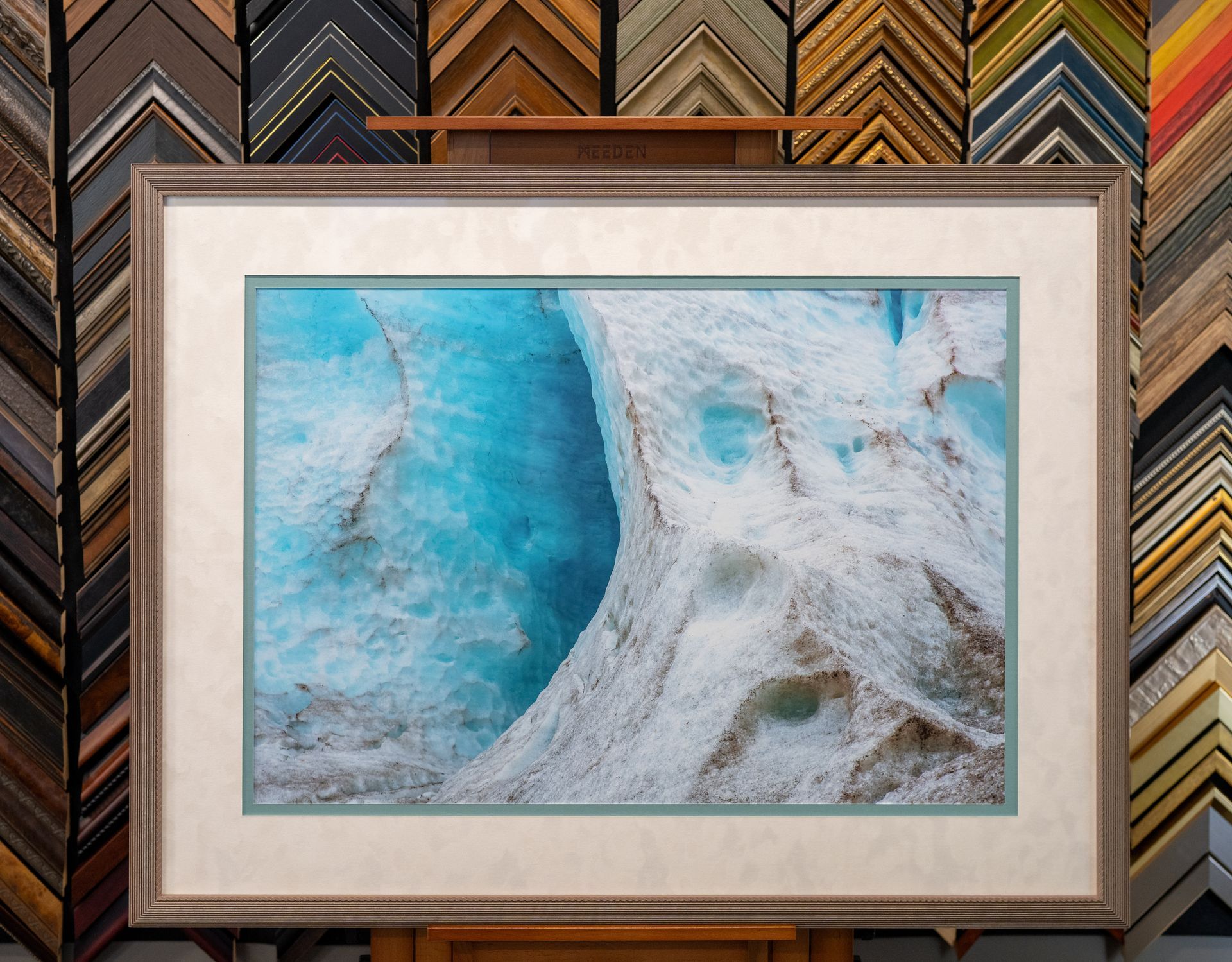
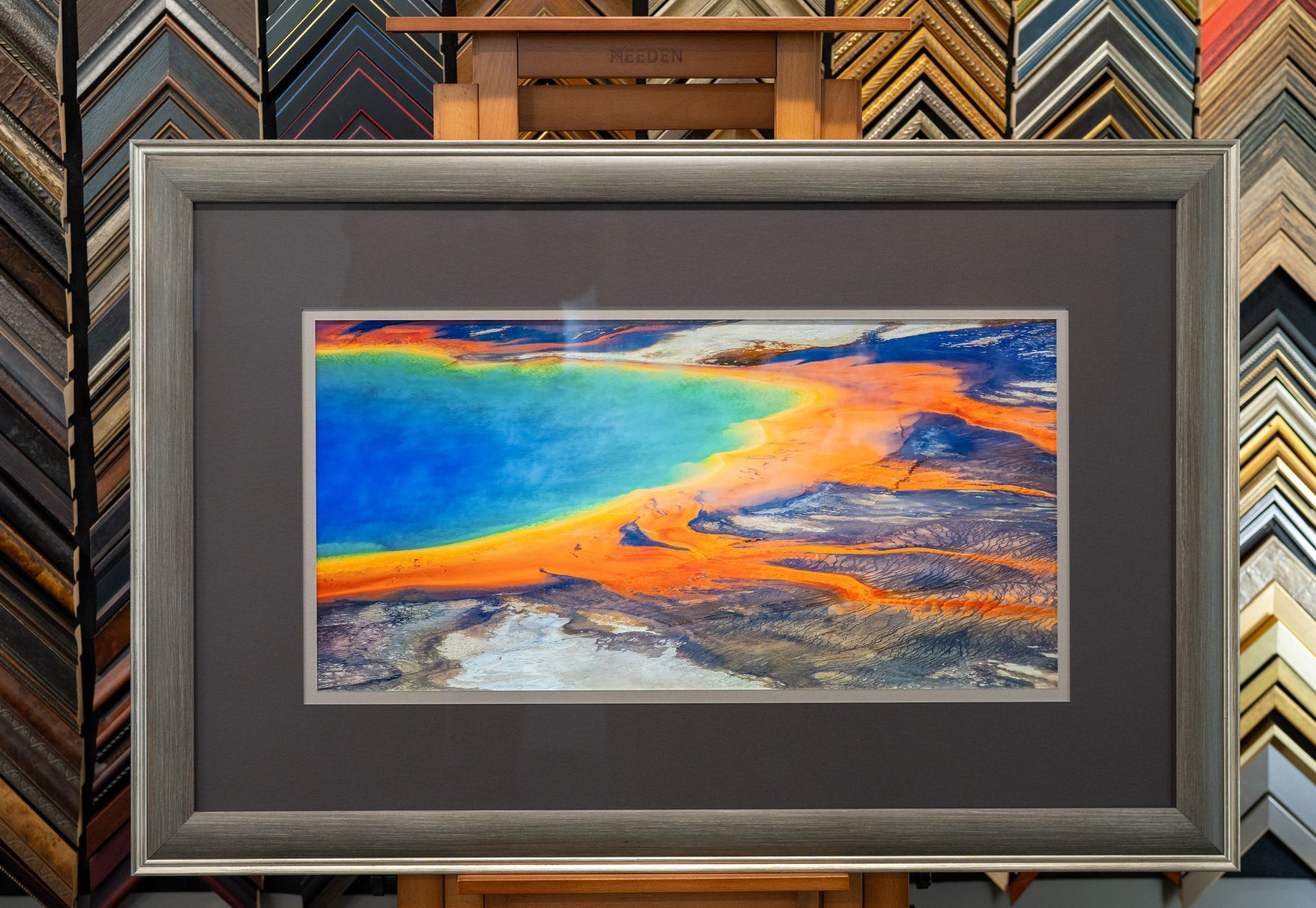
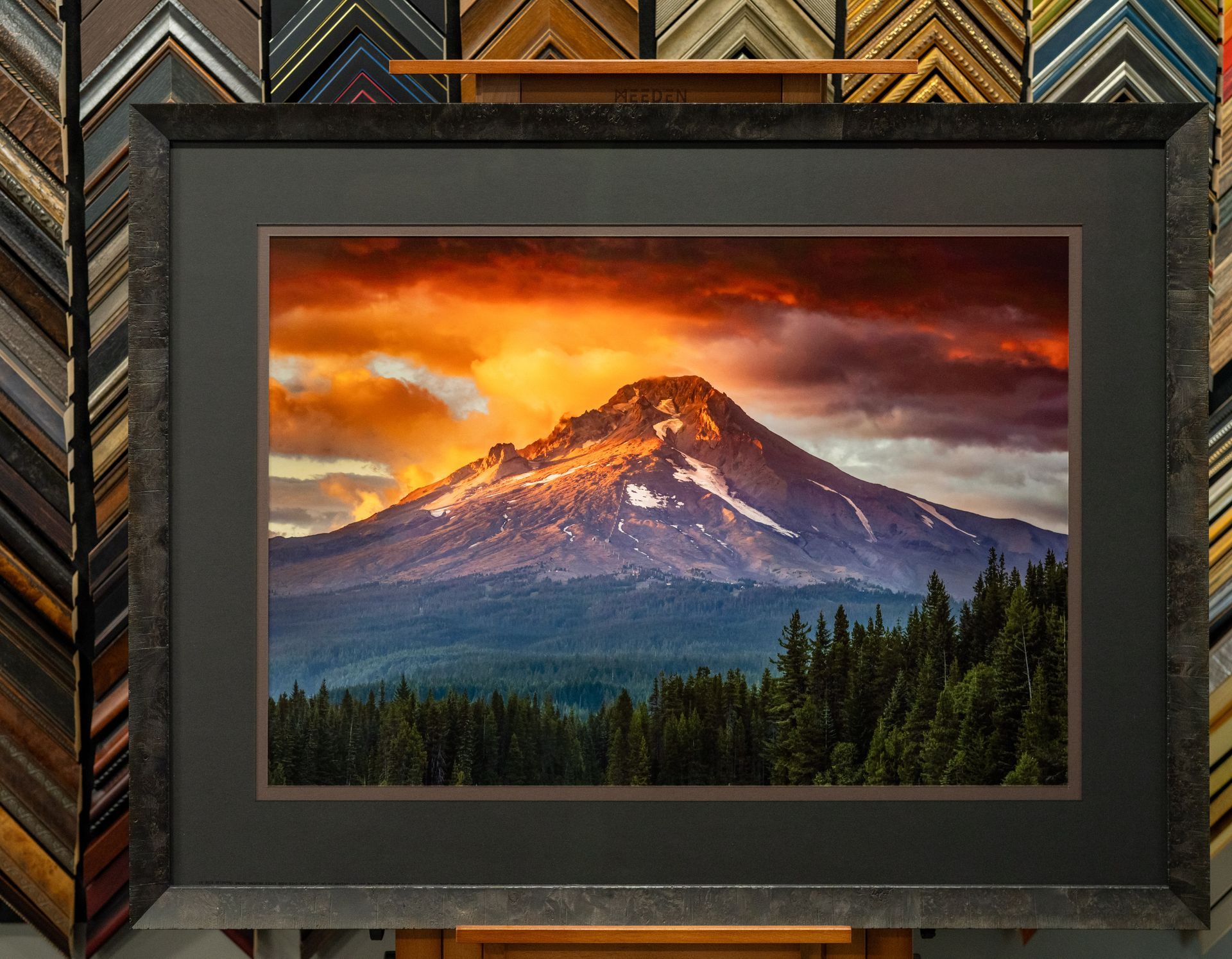
Why Is Custom Framing So Expensive? And Is It Actually Worth It?
If you’ve ever walked into a frame shop with a piece of artwork and gotten a quote for custom framing, there’s a decent chance you had the same reaction a lot of people do:
“Wow. I didn’t realize framing was that expensive.”
I get it.
You can walk into big box retail store and buy a frame for $30 or $40. Then you come into a custom frame shop and the price might be a few hundred dollars. For a large piece, an unusual size, or something using premium materials, it can be considerably more.
So what are you actually paying for?
And more importantly, when is custom framing worth the money?
A Custom Frame Is Built for Your Piece
This is probably the biggest difference.
When you buy a ready-made frame, you’re buying a predetermined size. Your artwork has to fit the frame.
With custom framing, we build the frame around the artwork.
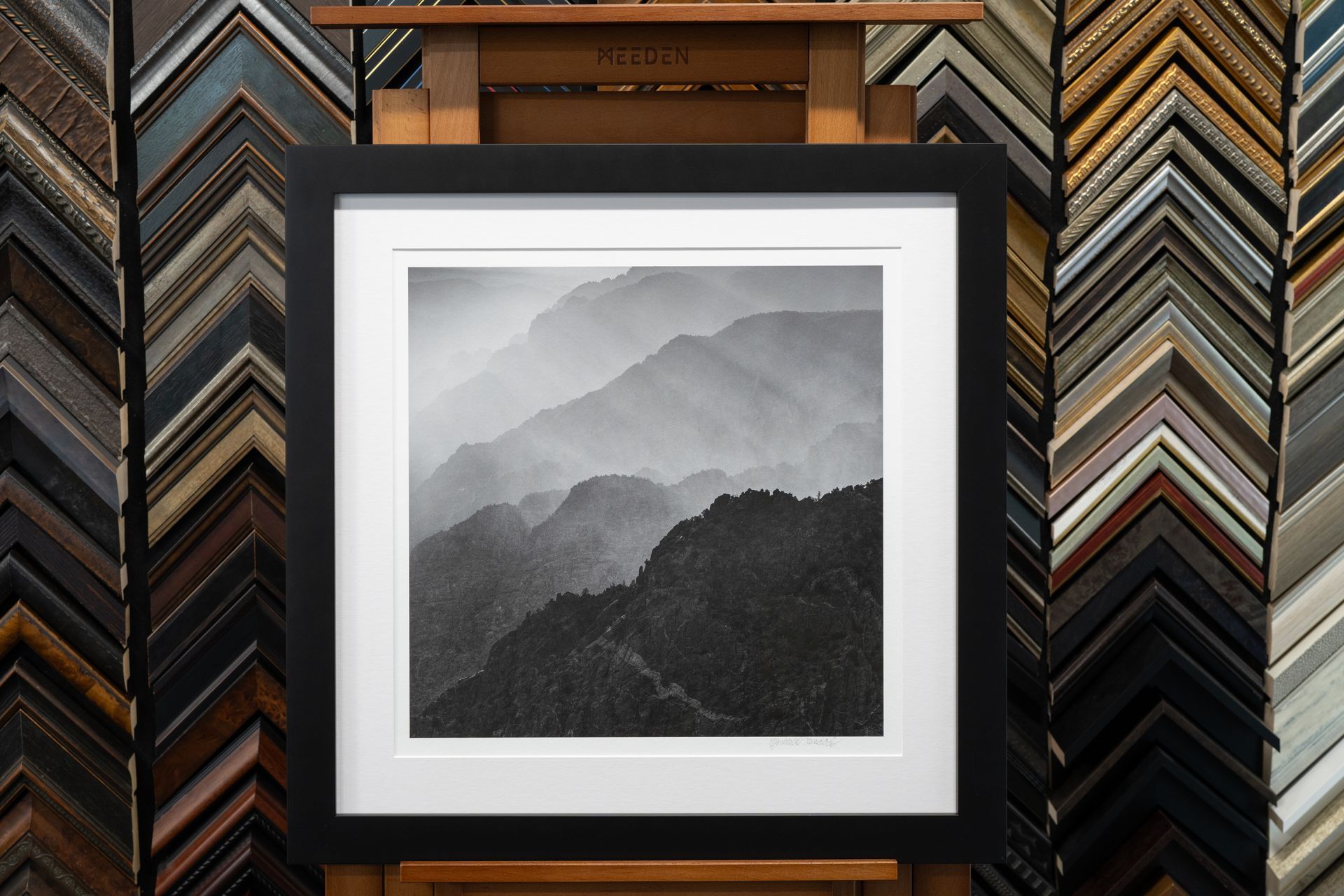
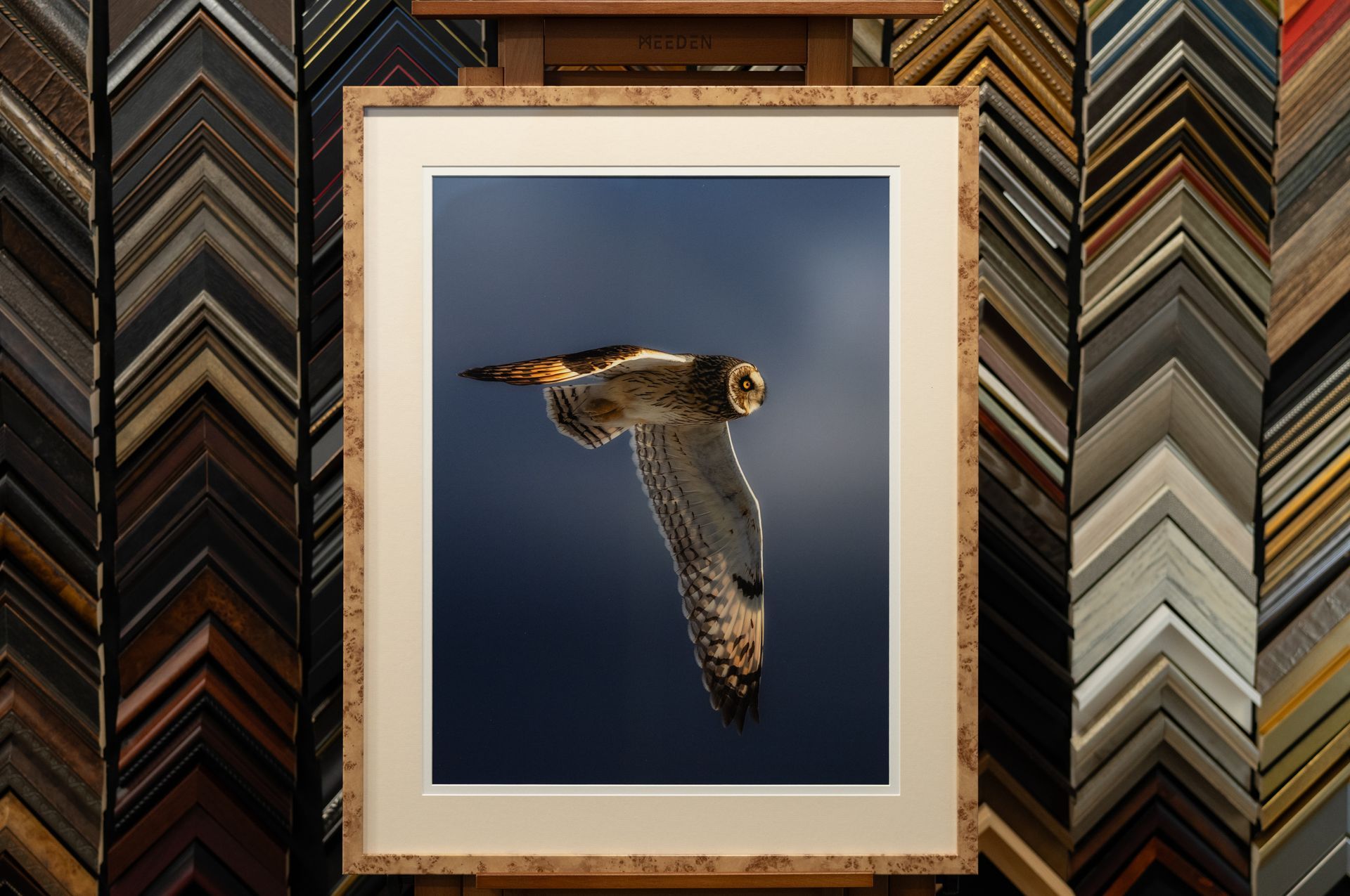
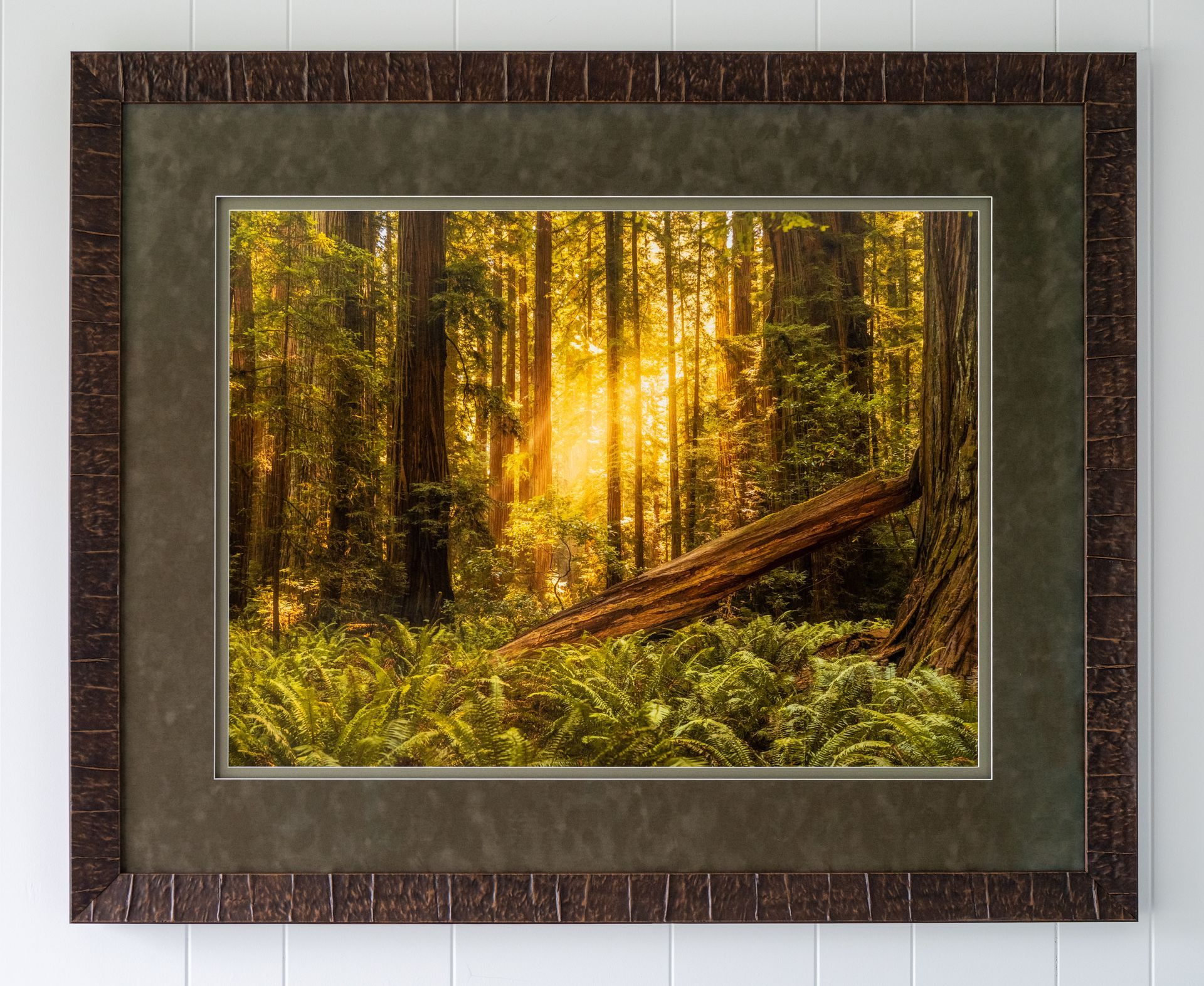
We choose the dimensions, moulding, mat opening, glazing, backing, mounting method, and hardware specifically for that piece.
That matters aesthetically, but it also gives us much more control over how the artwork is handled and protected.
If you have an odd-sized photograph, original painting, signed print, jersey, diploma, family document, or something else that doesn’t conveniently fit into a standard frame, we don’t have to force it into one.
We build around it.
The Materials Are Different
This is another big part of the price.
There are a lot of materials inside a finished frame that you may never really notice.
Depending on the project, we might be using conservation-grade mat board, archival backing materials, UV-filtering glass, museum glass, specialty mounting materials, spacers, dust covers, hanging hardware and, of course, the moulding itself.
The glass alone can make a significant difference in price.
UV-protective glass, and museum glass are very different products. On a large piece, the cost difference can become substantial.
Museum glass is expensive, but once you see it in person, you understand why people choose it. The reflections almost disappear while you’re still getting UV protection for the artwork underneath.
Do I think every piece needs museum glass?
No.
Part of our job is figuring out where spending more money actually makes sense.
You're Paying for Labor Too
This is probably the least obvious part of custom framing.
A frame doesn’t arrive at our shop finished, It has to be joined and assembled. Mats need to be designed and cut. Glass needs to be cut and cleaned. Artwork needs to be mounted properly. Everything has to be fitted together, sealed, finished and wired.
And we have to do all of that without damaging the thing you trusted us with.
Some projects are straightforward.
Others absolutely are not.
We've framed everything from photographs and paintings to jerseys, memorabilia and pieces that require us to figure out a completely custom mounting solution.
That time and craftsmanship are part of what you're paying for.
Good Framing Should Protect the Artwork, Not Damage It
This is the part I think people overlook the most.
If something matters to you, the goal isn't just to make it look good on the wall.
It's to make sure we're not doing something today that damages it ten or twenty years from now.
We've opened old frames and found artwork taped directly to mats, photographs stuck to materials they never should have touched, acidic backing boards, faded prints and other shortcuts that seemed fine when the piece was originally framed.
Sometimes the damage can't be reversed.
For artwork with financial, historical or sentimental value, the materials and techniques behind the frame matter just as much as the moulding you see from across the room.
Then Why Can I Buy a Frame for $30?
Because it’s a completely different product.
A mass-produced frame might be manufactured by the thousands in a handful of standard sizes. The manufacturer can buy enormous quantities of materials, automate much of the production and build the exact same frame over and over again.
There’s nothing inherently wrong with that.
I actually think store-bought frames make sense in plenty of situations.
If you're framing an inexpensive 8x10 photo, decorating a room on a budget, putting together a temporary display, or framing something that doesn't have much monetary or sentimental value, you probably don't need a custom frame.
I'd rather tell someone that than convince them to spend $300 framing something that would be perfectly fine in a $30 frame.
Custom framing starts making more sense when the piece itself matters.
Maybe it's original artwork.
Maybe it's a photograph you want to keep for the rest of your life.
Maybe it's signed.
Maybe it's valuable.
Maybe it's completely worthless to everyone except you.
That last category is actually one of the biggest reasons people come through our door.
You're Also Paying for Design
One of our favorite parts of custom framing is seeing how different a piece can look when everything works together.
The right frame shouldn't overpower the artwork.
The mats shouldn't be the first thing you notice.
Everything should feel like it belongs together.
Sometimes we'll put a frame next to a piece and immediately know it isn't right. Other times we'll try something a customer never would have picked off the wall, and suddenly the whole thing comes together.
That's difficult to get from buying a frame off a shelf.
You're not just choosing a frame.
You're designing the finished piece.
Why Does One Custom Frame Cost So Much More Than Another?
Because there are a lot of variables.
Size is an obvious one. A 30x40 frame requires considerably more material than an 8x10, and large pieces may require oversized glass, mat board, backing or heavier moulding.
The moulding you choose matters too. Some are relatively inexpensive. Others are handcrafted, imported, heavily finished, or simply cost considerably more per foot.
Then you have the glazing, number and type of mats, mounting method, complexity of the project and the amount of labor involved.
That's why asking, “How much does custom framing cost?” usually gets you an answer of it depends...
Is Custom Framing Worth It?
Not always.
I know that's probably an odd thing for a frame shop to say.
But I don't think every photograph, poster or piece of artwork needs custom framing.
What I do believe is that certain pieces deserve it.
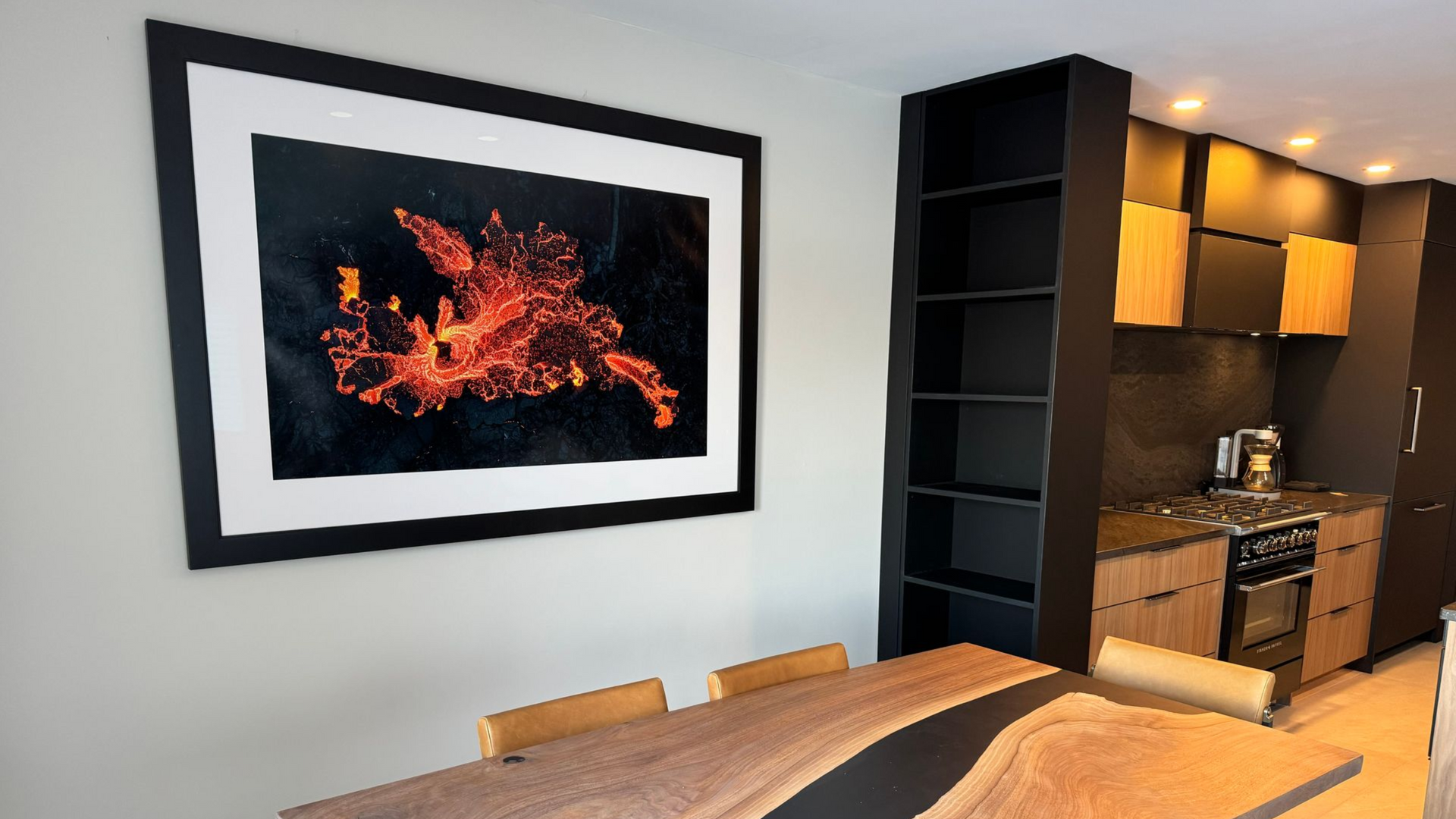
If you care about how something is presented, if you want to protect it, if it's an unusual size, if it has monetary or sentimental value, or if you simply want it to look like it truly belongs in your home, custom framing can completely change the way you experience the piece.
I've seen customers bring something into our shop that has been sitting in a closet for years.
Then we finish the frame, turn it around on the table, and suddenly that object feels important again.
That's the difference we're trying to create.
At Capture On Labs, we're not interested in putting the most expensive frame possible around everything that walks through the door.
We're trying to figure out what the piece needs, what you want it to look like, how it should be protected, and where your money is actually worth spending.
Sometimes that's museum glass and a beautiful custom moulding.
Sometimes it's a much simpler frame.
And sometimes I'll tell you that the store-bought frame you already have is perfectly fine.
The goal isn't to make framing expensive.
It's to make the finished piece worth keeping.